
 Hello and welcome to our hobby website, run by a small group of enthusiasts, including me, Tim Daniels, in Herefordshire, UK. Poultry Keeper is 14 years old, and our aim has always been to provide the best source of information available online for backyard poultry enthusiasts.
We constantly update and improve 500+ articles and guides on our website and add new pages to it when we can. All of our articles are written by enthusiasts with many years of experience, We are an A.I.-free website 🙂 I hope we can help inspire you in our fantastic hobby and you will bookmark our website for future use.
As spring arrives, and the days get longer, our birds start to lay again, and the focus for poultry keepers changes to a different set of tasks. I have gathered some articles below that might be useful to you in the coming months.

As temperatures rise in the spring, poultry worm eggs start to mature and hatch. It’s a good time to use a worm egg count kit to check whether your birds need worming.
I still find it incredible that a fertile egg can develop into a chick in just 21 days!
Foxes are feeding young
One of the challenges of keeping birds safe while foxes are out feeding their cubs is being home in time for dusk to lock up.
The ChickenGuard automatic chicken coop door saves me a lot of worries if I’m not home in time to lock up. I reviewed it in my ChickenGuard Automatic Chicken Door article.
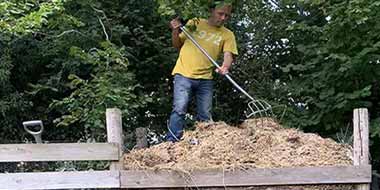
Step-by-Step Guide to Composting Chicken Manure
A complete fertiliser and an excellent source of organic matter, composted chicken manure provides you with a valuable commodity for your garden.
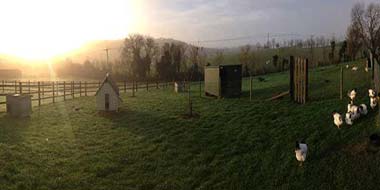
Springtime Worming
During the spring, poultry worms start to increase in numbers as the temperature holds above 10°C. It is a good idea to have a plan for springtime worming.
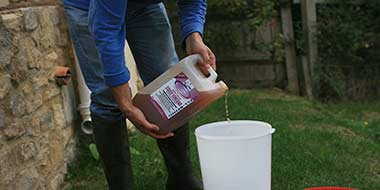
Apple Cider Vinegar For Chickens
I have been giving Apple Cider Vinegar to my chickens for many years, and combined with good husbandry, I have seen a positive difference in my flock’s health.

Selling Eggs Off the Gate
Our chickens are productive pets and will lay a good number of eggs for us, so you may want to sell your surplus eggs at
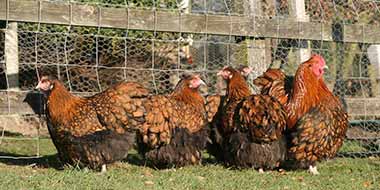
Breeding Chickens
If you are considering breeding chickens for sale or expanding your flock’s size, then one of the most rewarding ways to do this is by
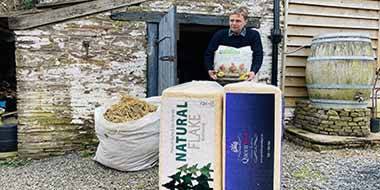
What is the Best Chicken Bedding Material?
I rate some of the chicken coop bedding I have used, from wood shavings and straw to shredded paper and cardboard, and even some of the specialist poultry bedding like Easichick and Auboise.
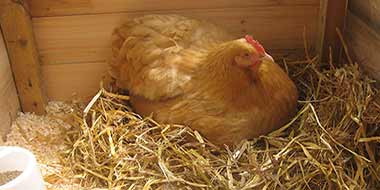
Hatching Eggs with a Broody Hen
A step-by-step guide to hatching eggs with a broody hen. Selecting the right breed and setting up a broody coop for her to incubate fertile eggs.
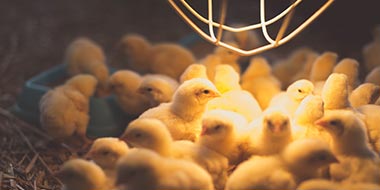
Raising Chicks: Setting Up A Brooder
Raising chicks that were hatched in an incubator. How to set up a brooder and heat lamp or panel to care for chicks hatched at home in easy steps.
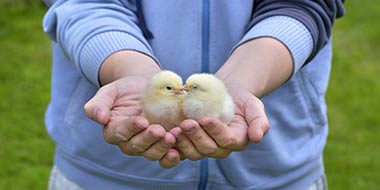
Feeding Chicks
Feeding chicks when there is no broody hen to take care of them and what you can feed in an emergency if you run out of chick crumbs.
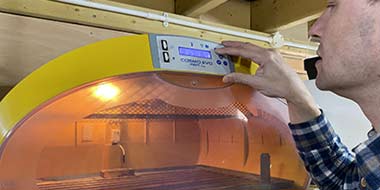
Setting Up Your Incubator
Success using an incubator isn’t guaranteed, especially with some of the cheaper models available. Getting good results at hatch time won’t just depend on your
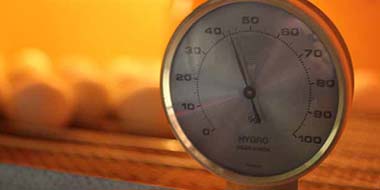
Incubation Humidity
What is the correct incubation humidity for hatching eggs, and how do we measure it? How to get the right humidity for chicken, duck, goose & quail eggs.

Candling Eggs
What will you see candling eggs? Pictures and videos of candling chicken eggs at 7 & 14 days of incubation and a useful air sac development chart.
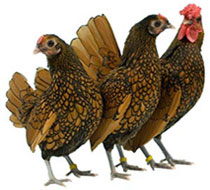
Chicken Breeds
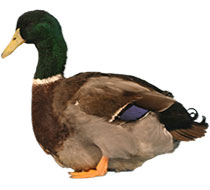
Duck Breeds
Goose Breeds
Feeding Chickens
Domesticated chickens, especially modern hybrids, are fantastic egg layers; however, this performance increases nutritional demands, so how we feed our chickens has never been so
What are the Best Laying Hens: Hybrids or Pure Breeds?
What are the best laying hens for eggs – Hybrids or pure-breeds? Anne looks at the advantages and disadvantages of the two and makes some
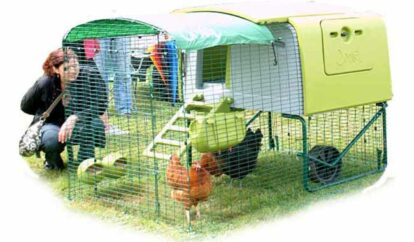
The Ultimate Guide to Chicken Houses
The ultimate guide to chicken houses, exploring features you will need to keep your chickens happy, healthy and safe from predators in their coop.
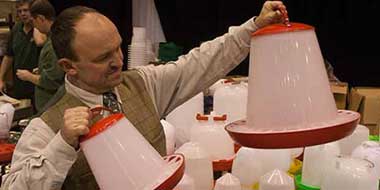
Choosing Equipment for your First Chickens
Although a chicken’s needs are fairly basic, getting the right kit can make life so much easier for the owner.
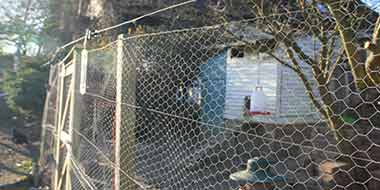
Proper Chicken Runs Give Peace Of Mind
Jeremy Hobson looks at some ways of building chicken runs to give your chickens space yet still keeping them free from danger.
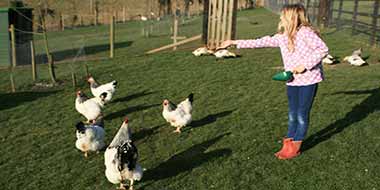
Looking After Chickens in Ten Easy Steps
Looking after chickens is relatively easy, but like all animals, they still need care and consideration. Follow these ten steps to looking after chickens, and
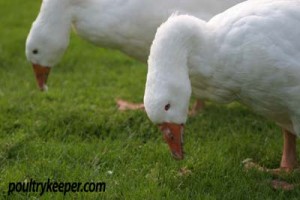
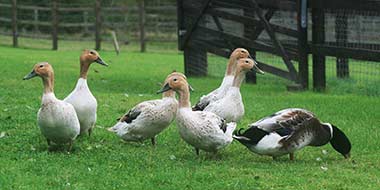
Beginner’s Guide to Keeping Ducks
Keeping a few domestic ducks in the garden is growing in popularity. In this beginner’s guide to keeping ducks, I will cover all the basics you’ll need to consider before getting ducks.
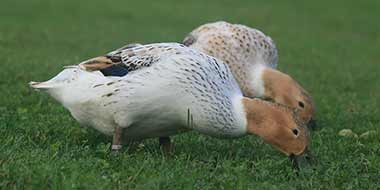
Feeding Domestic Ducks
This article provides information about feeding ducks: specifically domestic ducks. That is, pet ducks kept in gardens or smallholdings.
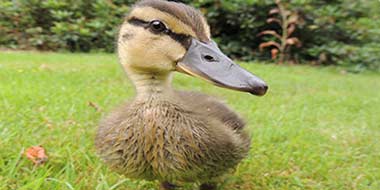
Stop Following Me! Imprinting in Ducks & Geese
Ducklings and Goslings will follow the first moving object they find after hatching. They treat it as their mother. So even if it’s a large man with a big hairy beard, he becomes ‘mum’!
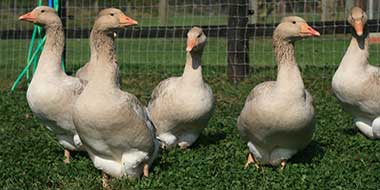
The Beginner’s Guide to Keeping Geese
This beginners guide to keeping geese will take you, step by step, through the basics of keeping geese, whether you are wondering whether geese are the right choice for you or if you have already purchased your geese and want to learn more.
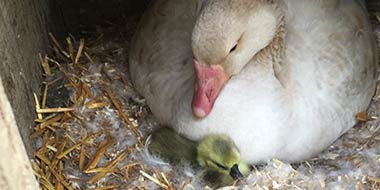
Hatching Goslings with a Broody Goose
One of the easiest ways to incubate and hatch goose eggs can be to leave it up to a broody goose. Not all breeds are good mothers. Heavier breeds can be quite clumsy and better at breaking eggs than sitting on them, but many lighter breeds will sit the term, hatching and raising their young.
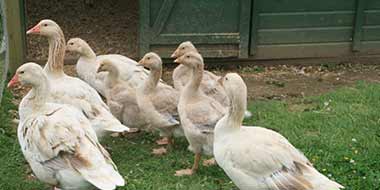
Housing Geese
Providing you can give sufficient space, adequate ventilation and security from nighttime predators, a goose house need not be complicated. In this article, Mo provides the low-down on housing geese.