
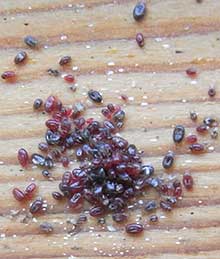
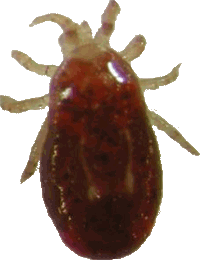
(Copyright!)
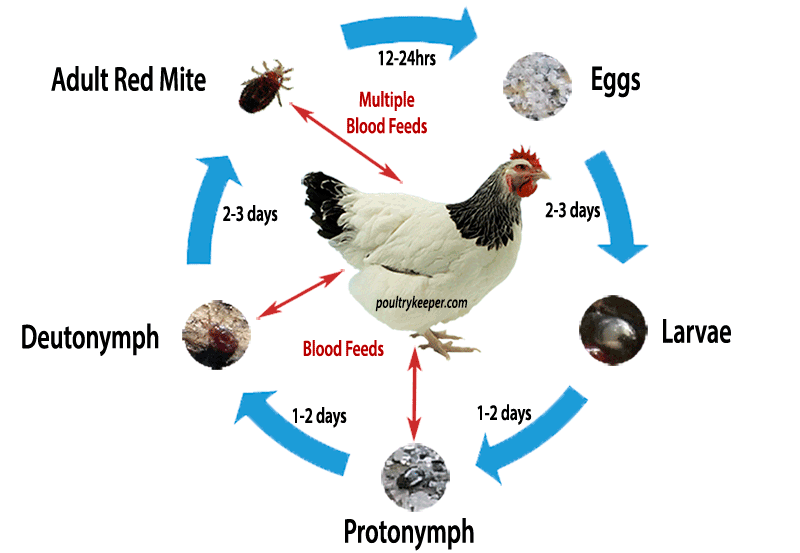
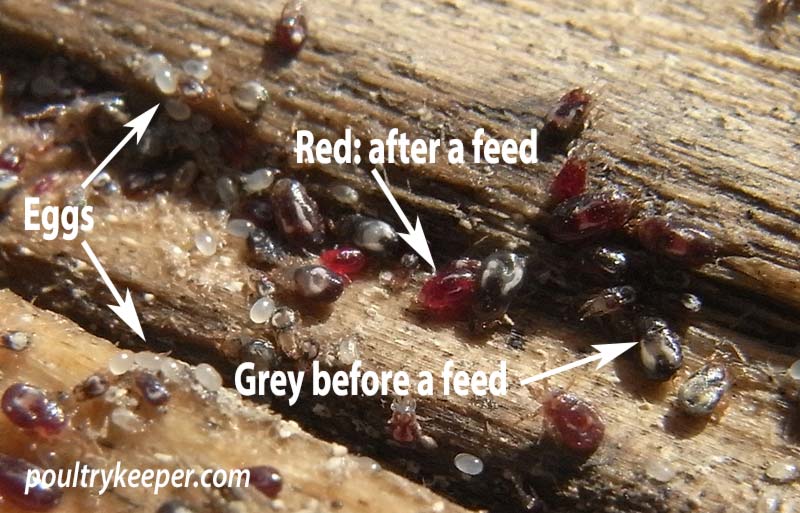
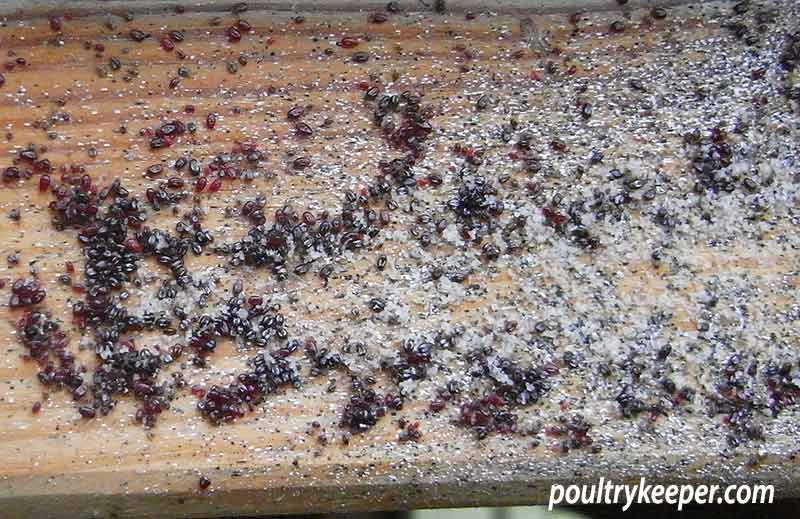
 Eradicating red mite completely is very difficult. Even when deep cleaning poultry housing and treating birds, it only takes a few red mites or eggs to escape and they will quickly multiply again. It is usually best to deep clean housing when you discover the problem, then have an ongoing regular checks and a treatment plan to stay on top of their numbers.
Red mites can survive without a blood feed for six to eight months so leaving the coop empty for a short while won’t kill them although changing housing and treating one house while the birds is in the other can certainly help.
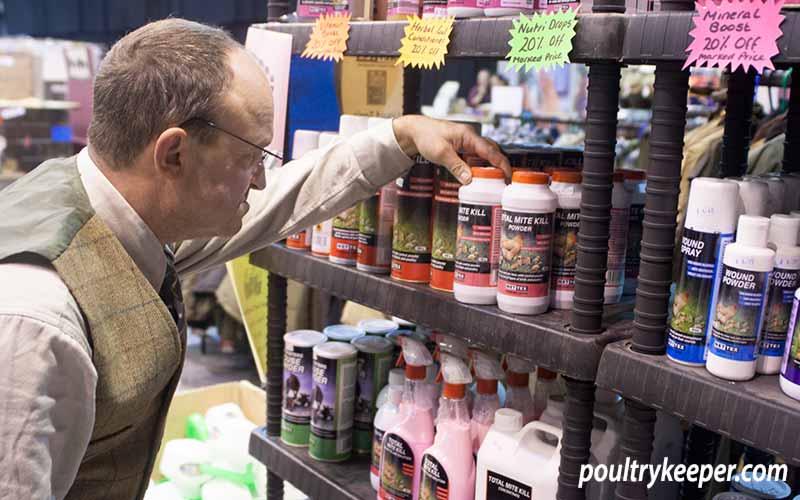
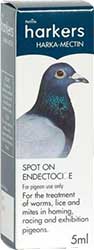 Using sprays or “spot-on” treatments often classified under the Small Animal Exemption Scheme is prohibited. These are products designed for cage birds, pigeons or other small animals (for example containing ivermectin).
They are not tested for residues in eggs that are laid for human consumption.
If you really want to use these, then only a Veterinary Surgeon is able to prescribes them, under their Cascade scheme. They will also be able to advise you on the egg withdrawal period (usually a minimum of 7 days) for safety.
Considering red mite infest poultry housing, there are usually better ways to control them. Read on!
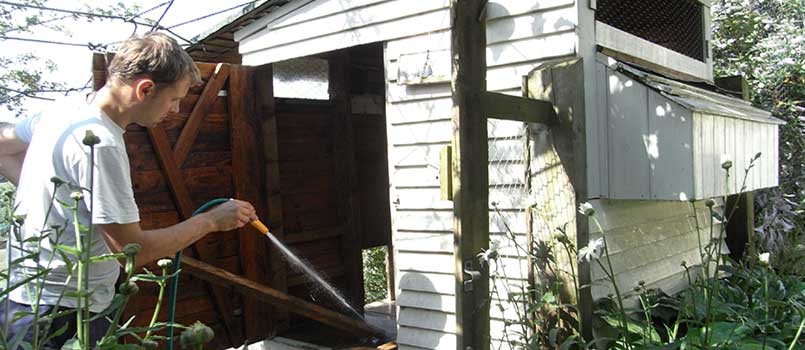
 Poultry Shield is the most popular red mite product by far. It is a multi-purpose cleaner / detergent / sanitizer that is good to use for regular cleaning of the coop but is also very effective at killing red mite. The manufacturer states that it is not caustic and contains no insecticide, it simply washes the waxy coating off the mite, causing it to dehydrate and die. This makes it safe to use (following the manufacturer’s instructions of course) and can even be used with your birds inside the house although I’ve never used it like this.
You can buy Poultry Shield here.
I always keep Poultry Shield in stock because outside of the red mite season, it is useful for cleaning out the chicken coop. After cleaning I also find Diatom powder useful to dust around the coop and perch ends after cleaning.
 Smite is another popular detergent based product that is effective against red mite and their eggs as well as other parasites. It is degreasing cleaner that is good for removing organic matter during routine cleaning. It has a pleasant odour and has an easy to use dosing pump fitted to the top of the container.
The manufacturer recommends a 6% dilution of SMITE which makes it economical to use. Like Poultry Shield, it is safe to spray the housing with the birds inside although there isn’t usually any need for this.
You can buy SMITE here
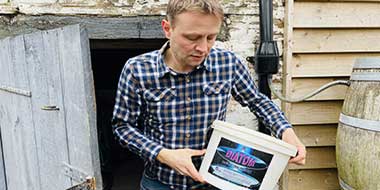
 Diatom powder is diatomaceous earth and is probably the most popular dusting powder used for the control of red mite. It is micro skeletons of the fossilised remains of deceased diatoms, a type of algae so is a totally natural product. It can be used on organic farms.
Diatom has microscopically sharp edges and it works by piercing the outer waxy coating of the mite, causing it to dry up (desiccate) and die after a short while. There is no chemical toxicity since diatom controls insects by physical rather than chemical means.
You can buy Diatom here
Dusting Diatom around bedding and rubbing it into the underside of perches and perch ends can drastically reduce red mite numbers between cleaning out the coop with a liquid detergent like Poultry Shield or Smite. If you would like to read more about other products for red mite control then you might like to read: Red Mite Treatment: My Top 8 Products
I was curious to see how long I would need to leave a coop empty before the red mites would die off, so I conducted an experiment at home.
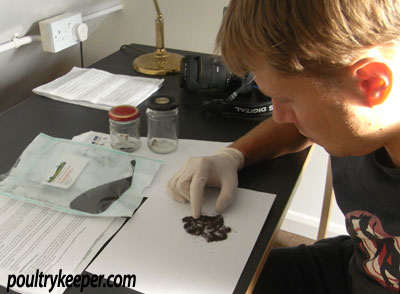
I hand-picked about 100 mites that were blood-red (in other words, they were adults that had fed recently) and placed them into two jars with some compost to hide in. A moist piece of kitchen towel was placed in the top and the jars put in a warm location out of sunlight.
After 6 months, I found a few mites that were still alive. It took 7 months before all of the mites were dead.
This shows their resilience. Whilst my experiment wasn’t done in any scientific way, I believe it still shows that we would need to leave a coop for at least 8 months before it would be clear of red mite!
Red mite have a habit of surviving many treatments and can survive undetected for many months until conditions are right when their numbers can multiply again.
Red mites occur in the wild where birds roost, often hidden in the cracks of tree bark, coming out at night-time to feed. They often have to wait long periods of time between feeds but they are also capable of travelling large distances (compared to their size) to reach birds on neighbouring branches. Wild birds or chickens you’ve purchased from an infected flock will normally transport them into a chicken coop. There are intermediate hosts that can also carry them such as dogs or even humans (via on clothing) when visiting poultry houses or handling birds.
Red mites on humans are difficult to see. They can usually be felt crawling on exposed parts of the body after cleaning out infested poultry housing. They can bite, leaving small red marks, similar to a rash but the bites aren’t normally felt.
Red mite cannot feed on dogs’ blood but can they can be a temporary host, hitching a ride. They can bite, leaving small red marks but more commonly will cause your dog to itch and therefore start scratching as they crawl around. They can be removed using a dog shampoo and rinsing with warm water in the shower or bath.
Most published literature will say that red mites cannot survive on humans alone (although they will bite); however, some people have encountered mites adapting to survive in houses (and some say), live from humans when the original host is no longer available. The ‘classic’ case is when mites leave the nest in a roof after young birds have fledged, and they go on to find a human meal. I wrote a post on red mite infesting your house, which gathers anecdotal evidence and many comments from people suffering from mite infestations in their homes.
If you get mites crawling on you, remove outer clothing and put them through the wash. Take a shower and wash with soap. They are washed away but also killed by the soapy water which removes their waxy protective outer coating.
Red mite are inactive and cannot reproduce below 9°C so are dormant for most of our winter. It is only temperatures below -20°C that are lethal for red mite. Warmer weather from 10-35°C is ideal for red mite to reproduce which is why they are a summertime problem.
Plastic chicken coops will still have red mite infestations. They will usually hide in between the different components that make up the coop, for example perches, removable floors or walls where they join together. The advantage of plastic coops is that you can clean them more easily. Check the coop you are going to buy is moulded into a small number of parts with few holes where mites can hide.
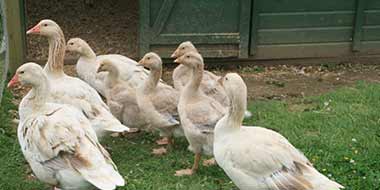
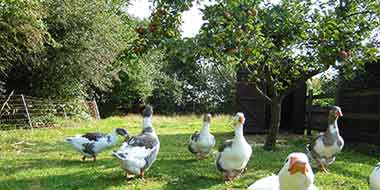
Ducks do not normally suffer from red mites. Firstly, they do not roost and are quite active at night-time, moving around the floor of their house so it’s difficult for the mites to get onto them but secondly, they have a layer of down under their feathers which makes it more difficult for the mites to reach their skin to bite them.