The Reproductive System Of A Chicken
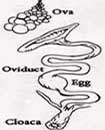
Before reading about reproductive system problems, it is helpful to understand how the reproductive system works, part of which includes egg laying. A hen’s reproductive

Egg peritonitis in chickens & ducks is when the lining of the abdomen becomes inflamed due to infection from bacteria. Common after prolapse.
A prolapsed oviduct is when the lower part of a hen’s oviduct turns inside out and is left hanging outside of her vent. This condition
Sometimes poultry can become egg bound when a large egg ‘gets stuck’ in the oviduct. The bird will usually keep visiting the nest box without being

Problems with eggs, such as wrinkled, soft or missing shells, blood spots, multiple yolks, watery whites or miniture size eggs.
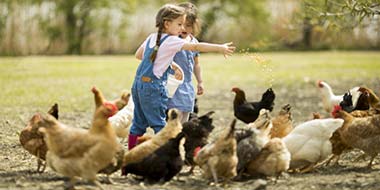
Domesticated chickens, especially modern hybrids, are fantastic egg layers; however, this performance increases nutritional demands, so how we feed our chickens has never been so
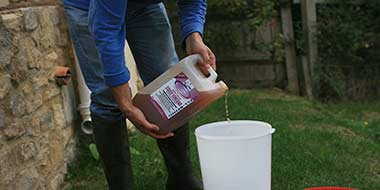
I have been giving Apple Cider Vinegar to my chickens for many years, and combined with good husbandry, I have seen a positive difference in my flock’s health.
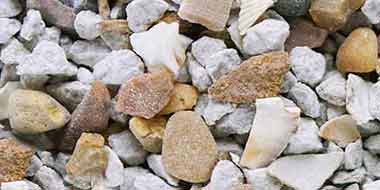
In this article, you will learn about the purposes of the two different types of poultry grit and how you can feed these together as
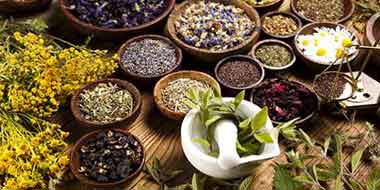
Jeremy Hobson, the author of Success With Chickens, tries to uncover the truth behind some long-held chicken health myths and potions used as natural remedies.

In European countries where they consume large amounts of garlic in their diets, they have a lower risk of cancer and are less likely to suffer from heart disease, but what about garlic for chickens?
Chickens are the most likely candidates to become overweight. Birds that are caged, kept in a small run or are fed the incorrect diet are
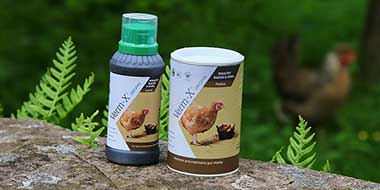
How good is Verm-X for chickens? Verm-X comes in a liquid or pelleted formulation and I tried it out over 6 months, but how can you be sure it’s working?
Water is so important for the correct digestion and the overall health of chickens and other poultry so really shouldn’t be over-looked. Water is THE
Feathers, beak, skin, scales, spurs, eyes, comb, nails, legs and wings. Problems such as lameness, feather loss, external parasite infestation, frostbite, blindness, cuts and wounds.
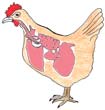
Respiratory problems including Avian Influenza, Aspergillosis, Gapeworm, Infectious Bronchitis and Mycoplasma.
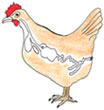
Typical digestive system problems include internal parasites, loss of appetite, swollen crop, bad or sweet-smelling breath, diarrhoea, or messy bottoms.
Reproductive system problems include egg-laying problems (but not egg problems) in chickens and other poultry.
Common quality problems with eggs, such as soft or missing eggshells, wrinkled or misshaped eggs, watery whites, double yolks or blood spots.
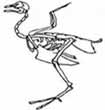
Skeletal, muscular and nervous system problems.
Diseases such as Marek’s or Toxoplasmosis.
Diseases and disorders relating to major organs or the cardiovascular system include acute heart failure and Avian Leukosis.