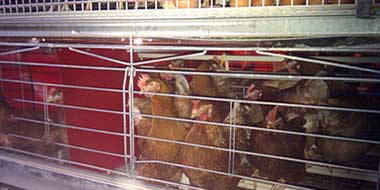
In January 2012 the Barren Cage Ban came into force, finally seeing the end of the tiny, cramped cages where each hen had less room than an A4 size piece of paper.
Whilst an important step forward in hen welfare, it has led to a common misconception that there are now no hens in cages in the UK. Unfortunately this is not true. Barren cages were replaced by enriched, and more recently colony, cages and caged eggs are still very much available on shop shelves. So what does this all mean and how do you know what sort of eggs you are buying??
Ask anyone who already re-homes ex-battery hens or 'ex-batts' about their ‘girls’ and you will be receive an enthusiastic, and probably very long, animated response extolling the virtues of their ladies.
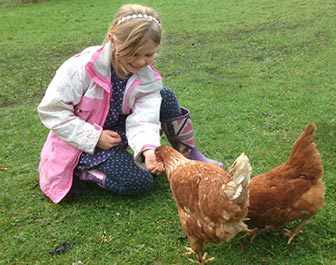
Whether you are new to keeping chickens or already have a flock of the more ‘normal’ birds, offering a home to some ex-batts is certainly a rewarding and life enhancing experience.
Whilst ex-battery hens are just as easy to care for as any other chickens, these very special ladies do require some special consideration and treatment after the ordeal they have been through.
If you are new to chickens or have simply never rehomed battery hens before then these Frequently Asked Questions about rehoming ex-batts are for you! From the practicalities of the size coop and run you need, what to buy before you get them and what to feed them to general care for them when you get them. This is a good starting place if you're thinking of getting a few ex-batts...
So, maybe you are tempted by tales of chicken keeping and images of happy chickens clucking around the garden and you are toying with the idea of having a few hens of your own? Maybe you'd like to find out where you can find some Ex-Battery Hens to rehome?
Well, you've come to the right place! Of course, we are all horrified by the media and charity reports about the life of a laying hen in a battery farm, it's certainly not pleasant reading and I'm sure you have decided that by re-homing some ex-battery hens you can give them a chance to have some quality of life after their ordeal. Apart from the welfare issues, you also have the opportunity to get some delicious free range eggs in the process, as well as doing your bit to help these innocent victims of the intensive farming system.
Re-homing a few ex battery hens is an incredibly rewarding experience. Battery hens have never been able to express some of their most natural behaviours; like foraging, scratching the ground or nesting to lay their eggs and seeing them able to do this for the first time is certainly very satisfying.

After a few months, these poor, scruffy looking hens that you've re-homed will have re-feathered and be on the look out for worms in your back yard. Apart from the satisfaction of giving these girls their freedom, they will without doubt provide you with hours of entertainment as you watch their funny antics, not forgetting a few fresh eggs along the way!
F
or those of us that raise and nurture our own hens, the world of intensive chicken farming is a million miles away. But for the egg-buying public, many are blissfully unaware of the conditions the eggs they purchase were produced in. Skilful marketing and lack of proper labelling hide the horrible truth.
However, just a little research will unearth the facts about intensive chicken farming, which make very uncomfortable reading.
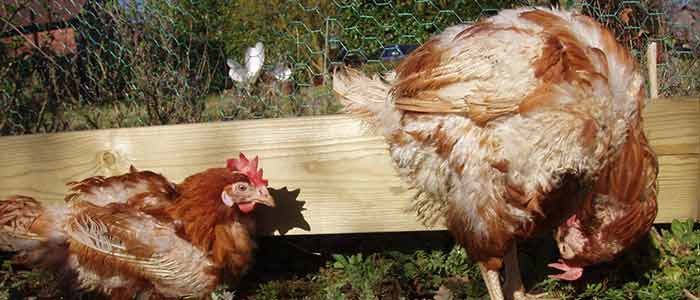
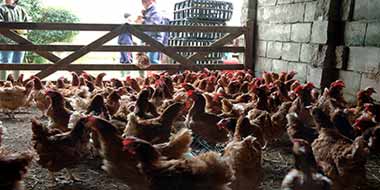
Here are some photos of Ex-battery hens, courtesy of the British Hen Welfare Trust, These hens have just been rescued and are on their way to a new 'Free Range' retirement.


Considering what they have been through, ex-battery hens don't usually have too many health problems.
Battery hens are vaccinated against most of the serious poultry diseases that they could get and they don't carry many worms since they cannot pick up the worm eggs in dirty litter having lived on a wire floor. You will probably have an image of barely feathered 'oven ready' birds as we see in the media, but in fact many Ex-Bats do still have feathers. Feathers do regrow within 2 to 3 months though - so don't let a bald bird put you off re-homing. Some say the bald hens are the better layers because they are putting all of their energy into egg production. This makes sense when you consider that hens normally stop laying when they moult (lose feathers) and regrow them again. Feathers are 80% protein afterall and guess what most of your egg is made up of? Yep... protein!
There are over 19 million battery hens in the UK producing cheap eggs, most of which are used in the processed food industry and are ‘hidden’ from view, just like the hens in their cages....

The British Hen Welfare Trust has rescued and re-homed over 120'000 ex-battery hens (as of January 2009), that is hens that have reached the end of their useful life in battery farming. This article describes a typical day of a battery hen rescue co-ordinator and is reproduced with kind permission from the Battery Hen Welfare Trust.
So what has life been like for the hens you re-home? Well, we have all heard about the dreaded battery cage that typically houses 4 hens, giving them about the space of an A4 sheet of paper but just like those rather strange breeds of cat or dog you see from time to time, battery hens are no different, in that they too have been bred for a specific purpose - not for looks this time but for egg production of course.