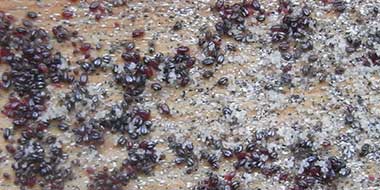
The Ultimate Guide to Red Mite
This in-depth guide will tell you everything you need to know about red mite, how to identify them and more importantly, how to control them.
This in-depth guide will tell you everything you need to know about red mite, how to identify them and more importantly, how to control them.
There are several types of biting lice that affect chickens and other poultry. These are known as ecto-parasites or external parasites as they live on
Northern Fowl Mites are similar in size to Red Mite (about 1mm long) and are almost the same colour but slightly darker, almost brown. Red Mites

Scaly Leg Mite is caused by a burrowing mite (Knemidocoptes mutans) which causes scaly, raised encrusted scales on the legs of chickens and other poultry that

Depluming mites are one of the less well-known poultry parasites that can affect chickens, ducks & geese, causing irritation and damage to feathers and skin.

Fowl pox is a very painful condition and one that is hard to get rid of from a holding although the disease itself is not
Frostbite or a frozen comb usually affects the male of breeds with larger combs, the Leghorn being a classic example. It causes the tips of the
The eye is obviously very delicate and any cleaning should be performed with great care. Blindness isn’t a particularly common problem, however poultry can get

Small scratches and abrasions will usually heal naturally. Severe open wounds and bites require a veterinarian’s help and often, antibiotics, but often you can take
Keeping ducks or geese is usually problem free although there is one problem commonly called ‘wet feather’ that can strike one or more of your birds.
Angel wing is a condition that affects ducks and geese and is sometimes called slipped wing, or dropped wing. In the wild, waterfowl live mainly
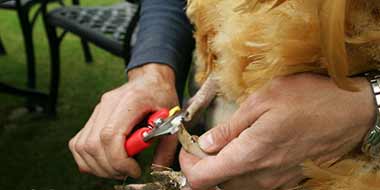
As roosters get older, their spurs grow longer, and some can become very sharp and pointed, causing damage to the sides of a hen during
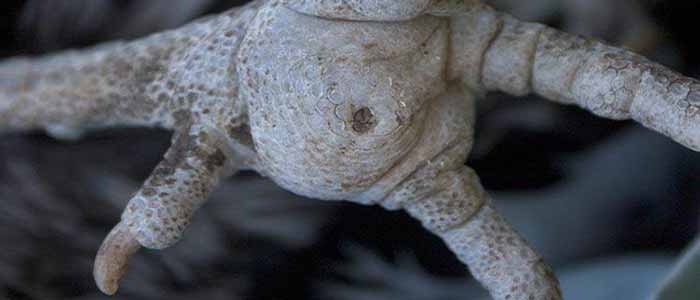
Bumblefoot is the common name for a form of pododermatitis, which means inflammation of the foot. It can occur in any poultry or waterfowl and is usually only noticed on the underside of the foot when they go lame.
Lameness and leg problems can occasionally occur in poultry, and there are various reasons these can occur. Start by catching the bird as quickly and
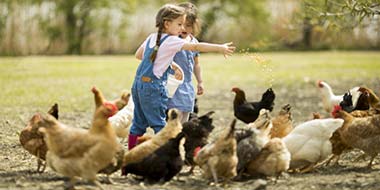
Domesticated chickens, especially modern hybrids, are fantastic egg layers; however, this performance increases nutritional demands, so how we feed our chickens has never been so
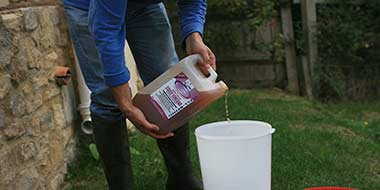
I have been giving Apple Cider Vinegar to my chickens for many years, and combined with good husbandry, I have seen a positive difference in my flock’s health.

The last thing we want is to put our hens at risk of illness. This article provides a list of poisonous plants for chickens that

In European countries where they consume large amounts of garlic in their diets, they have a lower risk of cancer and are less likely to suffer from heart disease, but what about garlic for chickens?
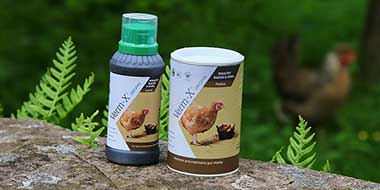
How good is Verm-X for chickens? Verm-X comes in a liquid or pelleted formulation and I tried it out over 6 months, but how can you be sure it’s working?

Guide to using diatomaceous earth for chickens: parasite prevention, benefits as a feed supplement for health & better eggs, worming & tips for safe use.

In this guide, I explain what poultry saddles are, and how we can fit one to protect a hen’s back from a cock’s feet and
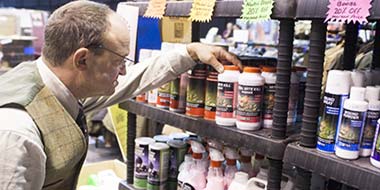
I have battled with red mite treatment on many occasions and have formed some views with other fanciers on the best red mite killer. Here are my top 8 red mite products.
Feathers, beak, skin, scales, spurs, eyes, comb, nails, legs and wings. Problems such as lameness, feather loss, external parasite infestation, frostbite, blindness, cuts and wounds.
Respiratory problems including Avian Influenza, Aspergillosis, Gapeworm, Infectious Bronchitis and Mycoplasma.
Typical digestive system problems include internal parasites, loss of appetite, swollen crop, bad or sweet-smelling breath, diarrhoea, or messy bottoms.
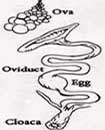
Reproductive system problems include egg-laying problems (but not egg problems) in chickens and other poultry.
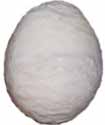
Common quality problems with eggs, such as soft or missing eggshells, wrinkled or misshaped eggs, watery whites, double yolks or blood spots.
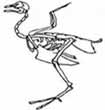
Skeletal, muscular and nervous system problems.
Diseases such as Marek’s or Toxoplasmosis.
Diseases and disorders relating to major organs or the cardiovascular system include acute heart failure and Avian Leukosis.