
If you are considering breeding chickens for sale or expanding your flock’s size, then one of the most rewarding ways to do this is by using a cockerel to provide you with fertile eggs from your hens so that you can incubate and hatch your own.
However, there are some considerations, apart from whether a cock bird would be too noisy for your neighbours! 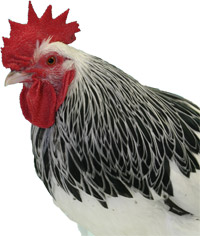 From selecting the right birds to breed from, keeping them in the best possible health to obtain viable hatching eggs and then storing these eggs correctly before you even think about incubating them. This article provides some information on how to get these things right so that you can hatch some healthy chicks to increase the size of your flock.
Before you start
Before deciding to breed from your chickens, it is sensible to consider whether or not you have the space to raise chicks and sufficient housing to rear them successfully.
You cannot mix young growers with adult birds. Firstly, there is a risk of them catching a disease (they take time to acquire immunity), and secondly, smaller birds will get bullied, so that you will need separate accommodation for them.
Young cockerels will spar as they grow, but most breeds will fight, causing damage and often to death once they reach maturity.
On average, 50% of your hatch will be male and 50% female. There’s a lot of hokey advice on the internet about hatching more females than males, but I’ve never found any of it to be true, in honesty.
When we say 50% are males, the probability of a male over a long enough period will average out to 50%. I remember hatching 12 Orpington chicks once, and all 12 of them turned out to be boys. On another occasion, I had 10 Light Sussex hens from a hatch.
In time, it will average out to be 50%.
Tip: Unwanted Males
Before you start, make a plan for unwanted males. ‘Chicken Dispatchers’ are not recommended by the Humane Slaughter Association.
There is more advice on this topic here: How to dispatch unwanted chickens.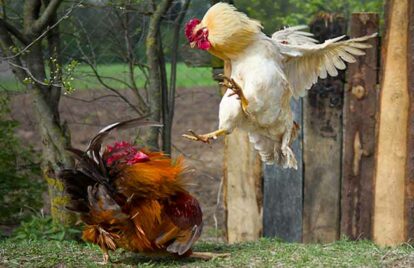
Selection for breeding chickens
If you are breeding a specific breed, it is only right to be selective with the cock and hens you choose. Genetically, the parents’ traits are passed down to the progeny, so if you are breeding from inadequate quality stock, you will be increasing the number of low-quality birds.
Sadly, so many pure breeds become spoilt by poor breeding. Sometimes there are massive differences in quality between different strains of a breed.
Birds with bowed legs or wry tails (point slightly to the left or right continuously) should not be used for breeding as they will pass on these problems to their offspring.
Health of chickens in the breeding pen
You should examine birds for good health. With experience, you can see general good health in a bird. The male should be attentive to the females and court them from time to time, without bullying.
Birds should have clear, bright eyes, have a red comb without any blue edges, and the birds should be bright and alert. Nostrils should be clear of mucus and breathing without any wheezing, which could be a sign of respiratory problems. Check for lice, especially around the vent and under the wings. Check the vent for any discharge or scabbing.
A sound diet and good management of the birds during breeding is essential to maintain good health and provide good hatchability and healthy chicks.
A varied but balanced diet, including greens, is recommended, with pellets having a high protein level of around 16-20%. Breeders pellets contain all of the minerals and trace elements in the correct proportions required to produce healthy chicks. If large numbers of dead-in-shell chicks occur before hatching, you can often overcome this by switching to breeders pellets.
Eggs
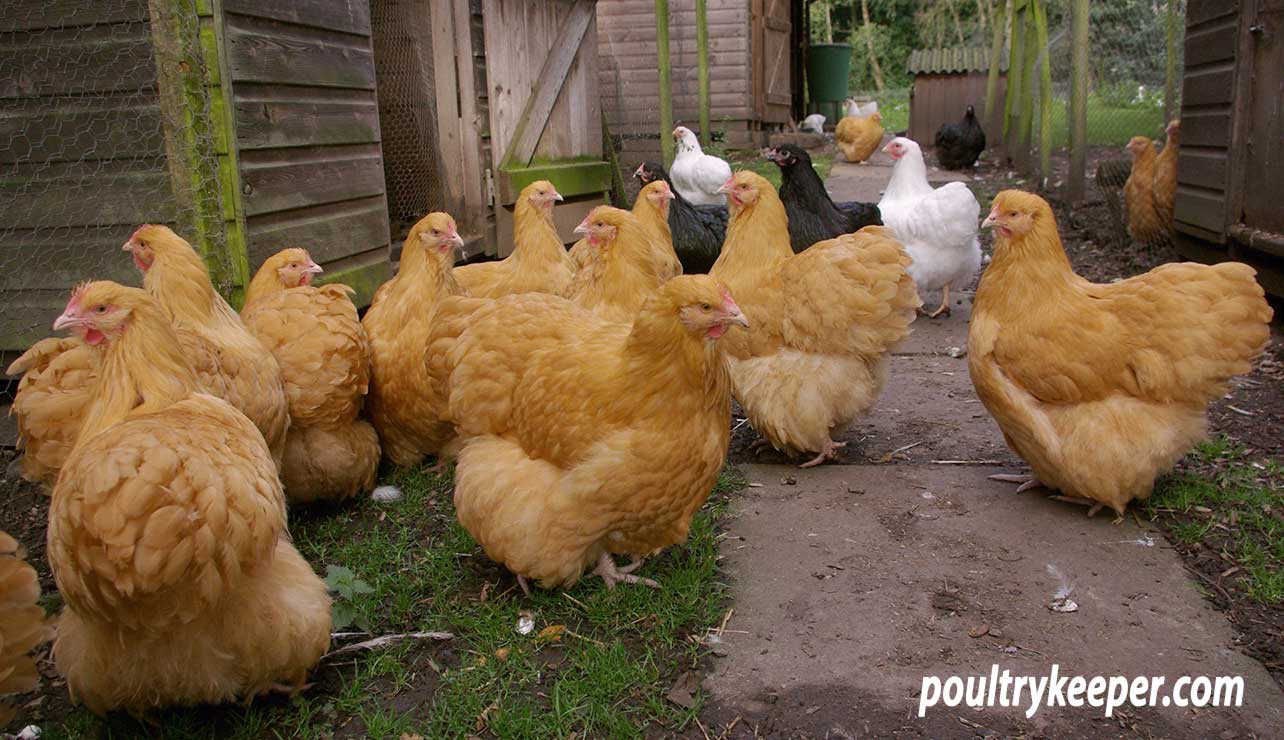
How many people buy a breed with a published annual number of eggs in their poultry book, only to be disappointed that their hens hardly lay anywhere near that number? It especially applies to utility type birds that have been changed massively for showing purposes where shapes and feathering have changed over the years to meet the demands of show judges leaving factors such as egg and meat production behind.
It is because of the poor selection of the ‘good’ egg layers. Let’s face it how many people can say how many eggs their chickens lay each year? Well even harder, could you say which were the good layers and which the bad?
Many serious breeders recommend using the first year of lay to record egg numbers, and then in the second year, we can consider better layers to go in the breeding pen. Whilst this is not easy in the backyard, over the cause of a year, with a simple coloured leg ring and frequent observation of your hens, you soon get an idea of who is laying well and who is not.
Egg selection
Egg selection for hatching is essential and overlooked by many. Check for size, shape, colour and texture. Check the standard for as much information on your breed as possible. You can also find breeding hints on some of our chicken breeds page, or ask in our poultry forum to get help from other breeders: for example, Copper Black Marans should be a large size and dark brown, Cream Legbar medium-sized and blue. Araucana blue to green.
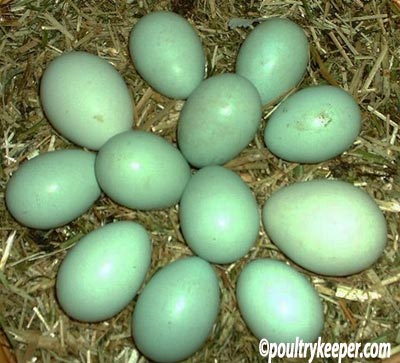
Don’t set incorrect eggs because you reduce the hatchability, which is not helping the breed. The better the egg quality, the better the hatchability. If you select low-quality eggs, the trait passes down the generations. Hatchability and chick quality will suffer.
Once you have selected your best birds, have your breeding pen up and running, and the best quality eggs, you should allow the cock ten days with the hens before collecting eggs for incubation so that they are fertile.
If changing cocks or moving hens from a run with other cocks present, it is necessary to wait fourteen days; otherwise, you can get fertilised eggs from the wrong cock. If hens have suitable nest boxes with clean bedding material, most eggs should not require any washing before incubation.
Egg storage
Keep eggs for incubation in a cool place away from bright sunlight and heat sources. An unheated garage or pantry is often the best option. Store them pointed end down and turned through 90 degrees twice a day.
An easy way to turn them is to place eggs on an egg tray, use an empty half dozen box under one side of the tray, and alternate it from one side to the other, morning and evening. This tilts the eggs by 45 degrees from horizontal one way and then the other.
You can store eggs in a cool place for a week without degrading hatchability; if you want to keep eggs for longer, it is possible by cooling the eggs, which is covered in my article How to Collect and Store Hatching Eggs.
Next is the 21 days of incubation in the incubation and hatching section.